How to Conduct a Nonprofit Needs Assessment Step-by-Step
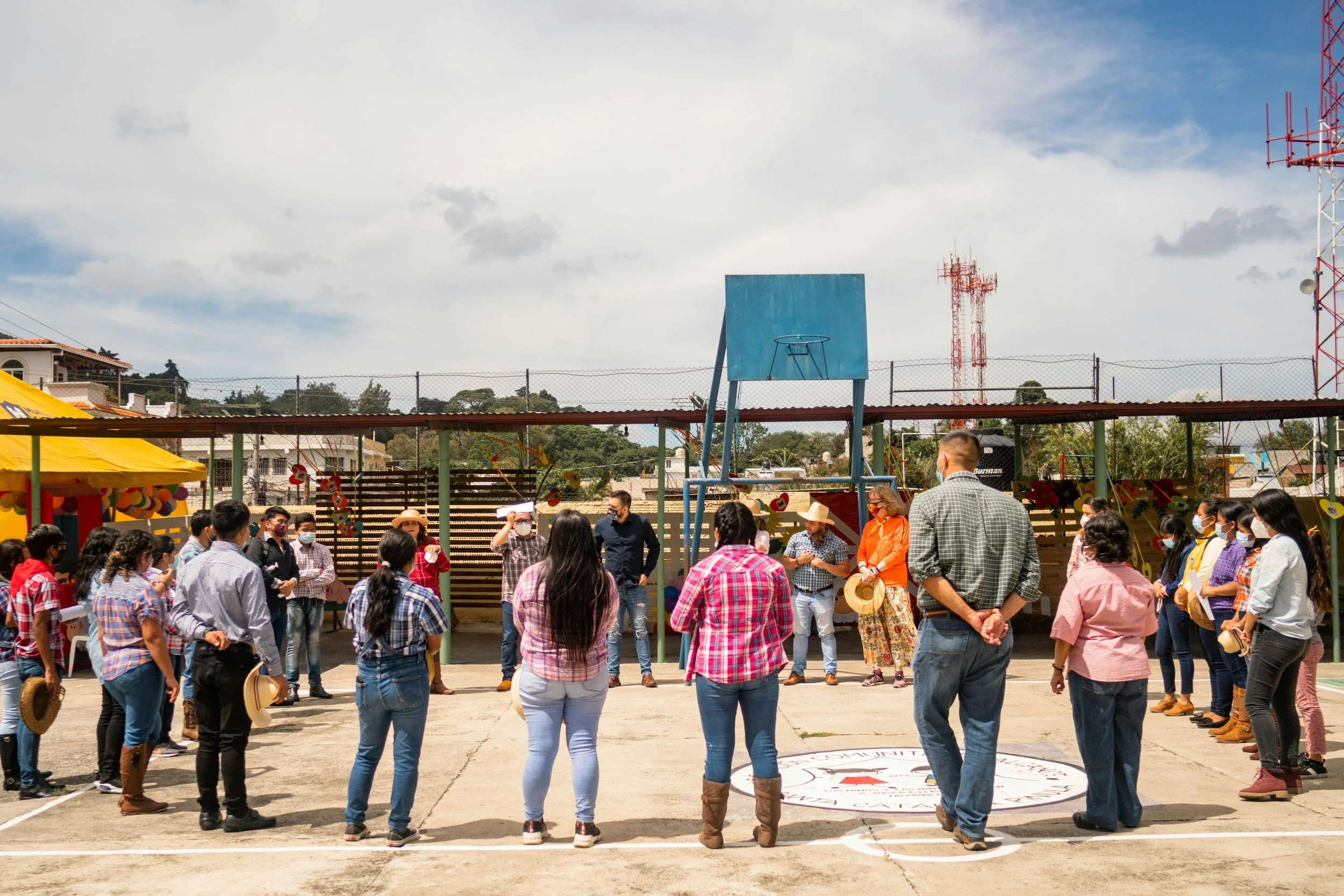
How to Conduct a Nonprofit Needs Assessment Step-by-Step
6 minute readA needs assessment is the research that proves your programs are addressing real, documented problems in your community. Without one, your grant applications are full of assumptions. With one, they're built on evidence. And in 2026, when funders are scrutinizing every application more carefully than ever, the difference between an assumption-based proposal and an evidence-based one is often the difference between funded and not funded.
For hands-on support conducting a needs assessment, see our grants and academic research services. For how to use the findings in a grant application, see our guide on how to write a grant needs statement that funders actually fund.
We'll cover:
What a needs assessment is and isn't
The five components of a strong assessment
How to design your data collection
How to conduct it without a research team
How to use the findings
Frequently asked questions
Table of Contents
- 1. What a needs assessment is
- 2. Five components of a strong assessment
- 3. How to design your data collection
- 4. How to conduct it without a research team
- 5. How to use the findings
- 6. FAQ
- 7. Key tips
1. What a Needs Assessment Is (and Isn't)
A needs assessment is a systematic process for understanding the nature and extent of unmet needs in a community or population. It answers: what is the problem, who is affected, and how serious is it?
What it isn't: a program satisfaction survey, an internal staff survey, or a report on how well your programs are working. Those are evaluation activities. A needs assessment looks outward at the community, not inward at your organization.
When to conduct one:
Before designing a new program or service
When applying for a grant that requires documented community need
When your community or service area has changed significantly
Every three to five years as part of your strategic planning cycle
2. The Five Components of a Strong Needs Assessment
1. Population and geography
Who are you studying, and where? Define both precisely before you design any data collection.
2. Secondary data review
What does existing data already tell you? Census Bureau data, County Health Rankings, and state agency reports all provide a starting point that doesn't require primary research.
3. Primary data collection
New data you collect directly: community surveys, focus groups, key informant interviews, community listening sessions. This is where you get the local specificity that secondary data can't provide.
4. Analysis and synthesis
What do the data sources say together? Where do they converge? Where do they diverge? The synthesis is what turns data into findings.
5. Gap analysis
What resources currently exist to address the need? What's the gap between current capacity and documented need? This section most directly informs program design and grant writing.
A needs assessment isn't research for research's sake. It's the documented evidence that your program is the right response to a real problem.
3. How to Design Your Data Collection
Choose methods based on your population.
For populations with high literacy and internet access, an online survey works well. For populations experiencing housing instability or other barriers, in-person listening sessions are more accessible and appropriate.
Plan for multiple data sources.
A needs assessment built on a single data source is less credible than one that triangulates across multiple sources. According to the Urban Institute's guidance on community needs assessment, findings that converge across two or more independent data sources are significantly more credible to funders than findings from any single source.
Include community voice.
Funders increasingly look for evidence that the community being served had a meaningful voice in the needs assessment. Build in a listening session, community survey, or focus group that centers the perspective of the people your programs serve.
4. How to Conduct It Without a Research Team
Step 1: Write your central question (Week 1).
What is the primary question this assessment will answer? Write it in one sentence.
Step 2: Gather secondary data (Weeks 1-2).
Pull relevant census data, county health rankings, and prior community reports. Summarize key statistics in a simple table.
Step 3: Design and field a community survey (Weeks 2-4).
Ten to fifteen questions maximum. Aim for at minimum 50 to 100 responses.
Step 4: Conduct focus groups or listening sessions (Weeks 3-5).
Two to three sessions of 90 minutes each. Open format: share what you're trying to learn, ask for their experience, listen without an agenda.
Step 5: Interview key informants (Weeks 4-6).
Five to eight 30-minute interviews with people who have deep knowledge of the community's needs: service providers, community leaders, teachers, healthcare workers.
Step 6: Analyze and write up findings (Weeks 6-8).
Synthesize your data sources into a two to four page summary. This becomes the needs statement section of your next grant application. See our post on how to write a nonprofit annual report that tells a compelling story for how to structure findings for external audiences.
5. How to Use the Findings
In grant applications: Quote your own needs assessment as a primary source.
In program design: Let the findings directly inform what services you offer and how you deliver them.
In board communication: A needs assessment gives your board a clear picture of the community context you operate in.
In community partnerships: Sharing findings with partner organizations often strengthens collaboration.
Frequently Asked Questions
How often should a nonprofit conduct a needs assessment?
Every three to five years as part of your strategic planning cycle, and whenever you're designing a new program or entering a new service area. In 2026, with significant shifts in federal funding and community circumstances, many organizations are conducting more frequent assessments.
How long does a needs assessment take?
A focused assessment covering secondary data review, a community survey, and a few key informant interviews can be completed in six to eight weeks. A more comprehensive assessment including multiple focus groups and a broader stakeholder process takes three to four months.
Does a needs assessment have to be conducted by an outside researcher?
No. Many nonprofits conduct effective needs assessments internally. What internal teams sometimes miss is the objectivity and methodological rigor that an external researcher brings, particularly in qualitative data collection. For high-stakes grant applications, an externally conducted or reviewed assessment often carries more funder credibility.
Key Tips
Write your central question first.
Triangulate across at least three data sources.
Include community voice.
Quote your own data in grant applications.
Conduct a gap analysis. Show what's missing between current capacity and documented need.
How Praxia Insights can help
At Praxia Insights, we design and run research that gets to the real answers. Whether you need focus group facilitation, a polished insight brief, or a full research plan built from scratch, we're here for it.