How to Recruit Focus Group Participants

Written by Dr. Annie Cole, Lead Researcher │5 minute read
Are you trying to run a focus group but have no idea where to find the right people?
Have you posted a few times, gotten crickets, or ended up with the wrong folks in the room?
If that sounds like you, you’re not alone.
Learning how to recruit focus group participants can feel confusing and time-consuming, but it doesn’t have to be.
This guide walks you through how to find the right people, where to find them, how much to pay them, and how to successfully get them to say ‘Yes’ to participating.
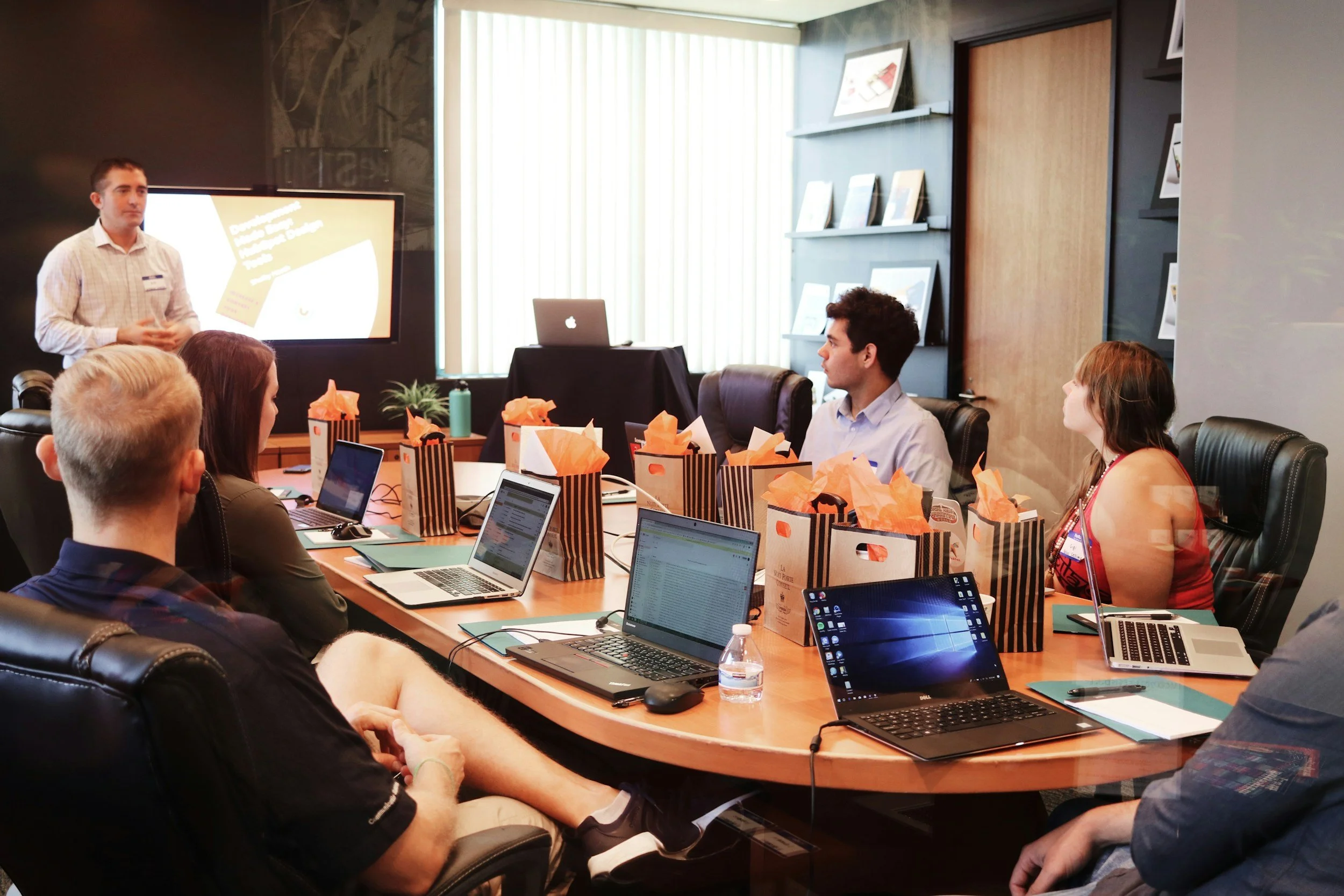
What You Actually Need from Focus Group Participants
Before you think about tools or platforms, you need to be clear on who you’re trying to recruit and why.
You’re looking for people who:
Match your target customer or user (not just “anyone who will sign up”).
Can speak honestly about their real experiences, habits, or decisions.
Are willing to show up on time and stay engaged for the whole session.
This means that before you start reaching out to invite people, you need to define:
1. Your research goal
(what you’re trying to learn)
2. The traits that truly matter
(demographics, behaviors, and/or attitudes)
3. Who should be included
(and who should be screened out)



Once that’s clear, it’s time to start recruiting participants.
Step-by-Step: How to Recruit Focus Group Participants
Use this step-by-step process to recruit participants for any study you’re running.
1. Define your research goal in one sentence.

Write down what you’re trying to answer, in plain language, like:
“Understand why current customers churn after three months.”
“Learn how parents choose after-school programs for their kids.”
A tight goal helps you decide who you actually need in the room.
2. Turn your goal into clear screening criteria.
Next, translate your goal into must-have and nice-to-have criteria:
Must-have: current subscribers, parents with kids 8–12, people who bought in last 6 months, etc.
Nice-to-have: specific income ranges, certain tools used, certain attitudes.
Then write a short screener survey that:
✔ Confirms they match your must-haves.
✔ Filters out people who are too far outside your target group.
Keep it simple enough to qualify people without scaring them away.
3. Choose your recruiting channel(s).
You have two main paths: DIY or using a panel/recruitment firm.
| Recruiting Channel | Options |
|---|---|
| Common DIY Channels |
• Your email list or customer base • Social media (LinkedIn, Facebook groups, Instagram, Reddit) • Community partners, newsletters, or in-person events • Flyers or announcements in physical locations (schools, clinics, stores, etc.) |
| Panel / Vendor Options |
• Dedicated recruitment platforms (like B2B or consumer panels) • Full-service focus group companies that handle recruiting and logistics |
See FAQs here for a detailed list of recommended platforms.
You can also use a mix: Start with your own audience, then fill gaps with a panel.
4. Set incentives and session details.
Focus groups are a big ask: people must show up at a specific time and talk openly, often with strangers. Incentives matter.
Typical incentive ranges:
Online general consumer groups: often around 50–100 USD per person.
Hard-to-reach professionals or B2B executives: 150–300+ USD per person.

Also decide:
Group size (usually 5–8 people per group).
Session length (usually 60–90 minutes).
Time zones and dates that work best for your audience.
Include all of this in your invite so expectations are clear.
5. Send your recruitment invites.
Now you’re ready to start inviting people.
Your invite should:
Say who you’re looking for (in simple language).
Explain what the study is about and why it matters.
Share the time commitment and incentive up front.
Link to your screener survey.
If you’re using a panel or recruitment firm, they’ll send their own invites based on your criteria.
6. Screen, confirm, and over-recruit.

As responses come in:
Review screener answers quickly and select your best matches.
Aim to over-recruit by 1–2 people per group (or more) to account for no-shows.
Send clear confirmation emails and calendar invites.
Respondents are busy; if you wait too long to confirm, they may lose interest or book something else.
7. Remind and follow up.
To reduce no-shows:
Send reminders 2–3 days before and again on the day of the session.
Reconfirm time zone and platform links.
Make it easy to reschedule if something comes up.
After the group, thank them and send incentives quickly—this builds goodwill and helps with future recruiting.
Tools and Platforms for Focus Group Recruitment
Here are the main categories of tools people use to recruit focus group participants, plus when they make sense.
1. DIY recruitment and general tools
These are low-cost and flexible, but require more manual work.
Email marketing tools (to reach your existing list).
Survey tools for screeners (Typeform, Google Forms, SurveyMonkey-style tools).
Scheduling tools for picking times (Calendly-style tools).
Video platforms for online groups (Zoom, Google Meet, Teams).
Best for:
Early-stage teams
Very specific audiences already in your network
Smaller budgets and fewer groups
2. Dedicated focus group recruitment panels
These give you access to large pools of pre-screened participants and handle a lot of logistics for you.

They usually offer:
Participant databases (sometimes millions of people).
Built-in screener tools and filters (demographics, behaviors, etc.).
Incentive management and no-show handling.
Best for:
Teams without existing audiences
Hard-to-reach or narrow segments
When speed and reliability matter more than cost
3. Full-service focus group companies
These firms handle everything: recruitment, facilities or online platforms, moderation, and often analysis.

They usually provide:
Recruitment based on your criteria
Facility or online platform
Professional moderators
Incentives, transcription, and sometimes reporting
Best for:
High-stakes projects
Limited internal bandwidth
When you need both recruiting and expert moderation
Typical Costs, Incentives, and Timelines
Costs vary a lot based on your audience and whether you go DIY or full-service.
Participant Incentives
| Participants Types & Considerations | Average Incentives |
|---|---|
| General consumer participants (online) | $50–$100 per participant |
| Niche professionals / B2B participants | $150–$300+ per participant |
| Incentive considerations |
Higher incentives help recruit harder audiences, accommodate odd hours, or support longer sessions. |
Recruitment and Platform Costs
| Items & Options | Cost Details (Ballpark Ranges) |
|---|---|
| DIY tools | Often free to $20–$50 per month for video and survey tools |
| Per-participant recruitment from panels | Screening fees around $5–$10 per participant plus incentive costs |
| Online focus group platforms | $500–$1,500 per project for specialized software |
| Full-service (recruitment + moderation + facility/platform) |
$4,000–$15,000+ per project, depending on scope and audience |
Timelines
| Recruitment Scenario | Average Timelines |
|---|---|
| Simple consumer groups recruited through a panel | Often 1–2 weeks to recruit |
| B2B audiences or strict quota requirements | Typically 2–4+ weeks |
| Recruiting from your own list or community | Can be faster or slower depending on engagement |
Plan extra time if you have narrow criteria or need multiple groups.
Common Mistakes (& How to Avoid Them)
Here are frequent issues researchers and teams run into when recruiting focus group participants.

Vague criteria
“Anyone who uses our product” is too broad. Tighten your must-haves and write them down before you recruit.
Screeners that are too long or confusing
People drop off if your screener feels like a test. Keep it focused on only what you truly need.
Underestimating incentives
If you’re asking for a live session, especially with professionals, low incentives lead to poor show rates and low engagement.No over-recruiting
Life happens. Always invite a couple more people than you need to cover no-shows.Slow follow-up
If someone fills out your screener and doesn’t hear back for days, they often lose interest. Screen and confirm quickly.

Focus Group Recruitment FAQs
-
Most focus groups work best with 5–8 participants in the room, so many teams recruit 1–2 extra people to protect against no-shows.
-
You can use social media groups, online communities, partnerships with other organizations, or dedicated recruitment platforms and panels that already have people who match your criteria.
-
For general consumer groups, 50–100 USD is common.
For hard-to-reach professionals, 150–300+ USD is more typical, especially for 60–90 minute sessions.
-
A good screener is short, clear, and focused on the must-have traits that matter for your research goal. It checks demographics, behaviors, and sometimes attitudes, and filters out people who are not a fit.
-
If you have a clear, reachable audience and time to manage logistics, DIY can work well.
If your audience is niche, timelines are tight, or internal bandwidth is low, a recruitment platform or full-service firm can save time and improve quality.
-
These are some of our favorite online platforms for research recruitment. We often set up & manage recruitment projects on our clients’ behalf using these platforms.
Respondent – Specializes in recruiting high-quality B2B and professional participants, and manages screening, scheduling, and incentive payments for interviews and focus groups.
Pros: great for niche/pro audiences; cons: higher per-participant cost than DIY.
User Interviews – Offers a large vetted panel plus tools for sourcing, screening, scheduling, reminders, and incentives for research sessions.
Pros: flexible targeting and strong automation; cons: may be more than you need for very small, one-off projects.
dscout – Qualitative research platform with a participant pool and tools for diary studies, interviews, and live sessions.
Pros: excellent for rich, in-context insights; cons: pricing and complexity can be high if you only want simple focus groups.
Ethnio – Helps you build your own ongoing participant pool by intercepting users on your site/app, screening them, and managing scheduling and incentives.
Pros: ideal if you want a long-term panel of your own users; cons: less about instant access to a big external panel.
CloudResearch – Provides access to large online participant pools for market and academic research with targeting and screening tools.
Pros: broad reach and flexible sampling; cons: more survey-oriented, so live focus groups may need extra setup.
UserTesting – A UX research platform with its own participant network for moderated and unmoderated studies, including live sessions.
Pros: very fast turnaround and strong video tooling; cons: focused on UX/product testing rather than traditional market-research-style focus groups.
Rather have an expert take care of recruitment for you?
If you want a partner to handle the messy parts (screeners, tools, scheduling, and herding people into the virtual room) this is exactly the kind of focus group recruitment work Praxia Insights can take off your plate so you can stay focused on the work that matters most.