Research Reports and Executive Summaries
A research report translates findings into a document the intended reader will actually use, whether that's an executive team, a board, a funder, or the public. Praxia Insights writes research reports, executive summaries, briefs, and presentation decks, either as the final stage of a study we ran or from data you already have.
Most research reports fail at the last step. The study was sound, the analysis was careful, and the document is forty pages that nobody finishes.
The problem is almost always audience. A report written the way researchers write for each other will not work for an executive deciding where to put next quarter's budget, and neither version works for a funder skimming twelve grantee reports in an afternoon.
We write for the person who has to act on the findings. That means leading with what was learned and what to do about it, keeping methodology available but out of the way, and choosing a format that matches how the reader will actually encounter it.
Discuss your reporting needs

When You Need This
You have data and no time: the study is done, the deadline is close, and nobody internally has a week to write it up.
The last report went unread: findings were sound but the document didn't land with the people who needed it.
You need several versions: the same research has to reach a board, a funder, and a public audience, and one document can't do all three.
A funder report is due: the format is prescribed, the deadline is fixed, and the reporting has to be right.
You need it to look credible: the findings are going to investors, a board, or the press, and presentation quality is part of the argument.
What We Produce
Full findings written for the people who have to act on them. Recommendations up front, evidence organized to support them, methodology documented but not in the way.
1. Executive reports
2. Executive summaries and research briefs
Two to four pages built for a specific decision-maker who needs the findings and the recommendation without the full document. Written to help one person make one decision.
3. Funder and board reports
Reporting in the format your funder or board requires, on their schedule, covering what they asked for in the language they use.
4. Public-facing reports
Branded reports written for external audiences, including the visual design and supporting assets that make findings travel. Original research published well is one of the most durable marketing assets an organization can produce.
5. Presentation decks
Slide-based versions built to be presented out loud, including investor-facing and funder-facing decks where the findings have to hold up when someone asks how you know.
6. Infographics and stat cards
Single-finding visual assets for social distribution, internal communication, and press outreach.
Working From Data You Already Have
You don't need us to have run the study. This work often starts with a client who already has survey results, interview transcripts, program data, or a half-finished analysis, and needs it turned into something usable.
We'll analyze what you have, tell you honestly what it supports and what it doesn't, and write the deliverable. If the data has a limitation that affects what you can claim, we'll tell you plainly.
Project Examples

A NIH-funded study examining neuropsychological predictors of adaptation after trauma.

A five-year randomized control trial (RCT), funded by the U.S. Department of Ed, to study individualized math instruction.
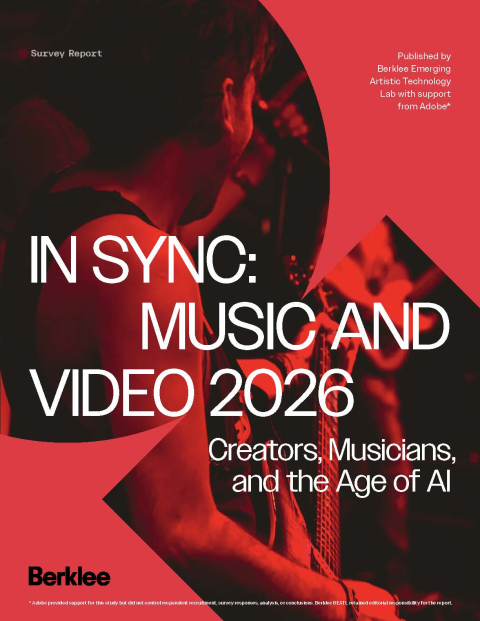
Led a national survey study in partnership with Berklee BEATL & Adobe to study AI use in the music industry.
How We Work
1. Initial consultation and plan
We meet to discuss your specific needs and confirm this is the right approach for the decision you're facing.
2. Project scoping and budget
You receive a custom scope of work with tasks, due dates, and budget before any work begins. Fixed scope, no hourly surprises.
3. Project execution
You receive updates on progress throughout, including recruitment status and fielding milestones.
4. A true partnership approach
We share insights with you as they come up throughout the project, so your team can start acting on what we learn long before the final report is finished.
5. Project completion
We deliver final insights in the format your team will actually use, whether that's a written report, an executive presentation, or a working session.
Frequently Asked Questions
-
Yes, and it's a common request. Send us what you have, whether that's survey exports, interview transcripts, or program data. We'll analyze it, tell you what it supports, and write the deliverable. If the data can't answer something you hoped it would, we'll tell you that too.
-
Shorter than most people expect. An executive report usually runs ten to 20 pages with detail in appendices. A brief is two to four. Length should follow what the reader needs in order to decide. Long reports are frequently a sign the argument wasn't clear enough to be short.
-
An executive summary condenses a longer report and is read alongside it. A research brief is a standalone document written for one decision-maker who will never read the full report. The brief makes a recommendation and gives just the evidence needed to trust it.
-
A brief or executive summary from existing analysis typically takes one to two weeks. A full report with fresh analysis takes two to four. Public-facing reports with visual design take longer, and most of that extra time goes into the design work.
-
Cost depends on whether analysis is included, the length and format of the deliverable, how many versions you need, and whether visual design is in scope. We provide a fixed-scope quote after an initial consultation.
-
Yes, and it's usually the right move. One study often needs a full report for the record, a brief for leadership, a funder version in a required format, and a public summary. Each one is written for its own audience.
-
Both. Reports can be delivered as clean written documents or as branded, designed pieces with data visualizations, depending on where they're going. Public-facing and investor-facing work generally warrants design; internal reporting often doesn't.
-
Yes. We build presentation decks including funder-facing and investor-facing versions, designed to be presented and to hold up when someone in the room asks how you know.
-
Yes. Send us your brand guidelines, templates, and any required funder formats and we'll build to them.
-
We write what we found. A report that overstates results is a liability with funders and boards, who are generally good at spotting it, and it damages credibility for the next report. Where findings are mixed or limited, we say so and frame what can still be claimed honestly.
Our Experience
More than 60 studies designed, including case study, quasi-experimental, RCT, and mixed-method designs
More than 100 focus groups and in-depth interviews conducted
More than $4 million in grant-funded research managed
Clients spanning Fortune 500 companies, startups, nonprofits, universities, and federally funded programs
Our researchers hold doctorates in educational neuroscience, psychology, and related fields
Need findings turned into something people will read?
Tell us what you have and who needs to act on it. We'll advise on format, scope, and what it would take.