Pre-Award Evaluation Support
Pre-award evaluation support is the work of building the evaluation plan, logic model, evaluator qualifications, and budget narrative that a grant application needs before it's submitted. Praxia Insights writes these sections and serves as the named external evaluator, including providing the letter of commitment your application requires.
The evaluation plan is a scored section of most federal applications, and it's the section organizations most often write last and fastest. Reviewers can tell.
A generic evaluation plan costs you points at exactly the moment when a few points decide whether you're funded. A plan built by somebody who will actually have to carry it out reads differently, because the design has to survive contact with a real program.
We work with applicants before submission on the evaluation design, the logic model, the measurement plan, and the budget, and we serve as the named evaluator on the application itself.
Discuss your upcoming proposal

This is how most of these conversations start. Somebody read the solicitation carefully, found the requirement for an independent evaluator, and the submission date is three weeks out.
It's usually workable. Tell us the funder, the program, the deadline, and roughly what you're proposing, and we'll tell you honestly whether we can produce a strong evaluation section in the time available. If we can't, we'll say so quickly so you can find somebody who can.
Tell us your deadline
Your Deadline Is Close and You Need an Evaluator
What We Provide Before Submission
Evaluation design
The study design your funder's evidence expectations call for, whether that's a randomized controlled trial, a quasi-experimental design, a mixed-method study, or a formative evaluation. We match the design to what the program can realistically support, since a design that can't be carried out is worse than a modest one that can.
Evaluator qualifications and letter of commitment
The biographical sketch, qualifications, and signed letter of commitment naming Praxia Insights as your external evaluator, in the format your application requires.
Logic model and theory of change
The documentation connecting your inputs and activities to the outcomes you're claiming, built so reviewers can follow the reasoning and so it stays useful once the program is running.
Evaluation budget and narrative
A defensible evaluation budget with the narrative justifying it, built so the funded evaluation is actually paid for. Under-budgeting evaluation at the proposal stage causes real problems after award.
Measurement plan
What will be measured, using which instruments, from whom, and at what points in time, with the analysis approach stated.
Review of your draft
If you've already written an evaluation section, we'll review it against the solicitation and tell you where reviewers are likely to take points off.
Independence: the evaluator works outside the organization running the program, and that's what makes the findings credible.
Alignment with the evidence standard: the design matches what the funder's tier or evidence requirement actually asks for.
Measurable outcomes: the outcomes are stated in terms somebody could actually measure, with instruments named.
Feasibility: the design can be carried out with the sites, participants, and timeline the program has.
A qualified evaluator: the named evaluator has done this kind of work before and can show it
Adequate budget: the evaluation is funded well enough to be done properly.
What Reviewers Look For
Project Examples

A NIH-funded study examining neuropsychological predictors of adaptation after trauma.

A five-year randomized control trial (RCT), funded by the U.S. Department of Ed, to study individualized math instruction.
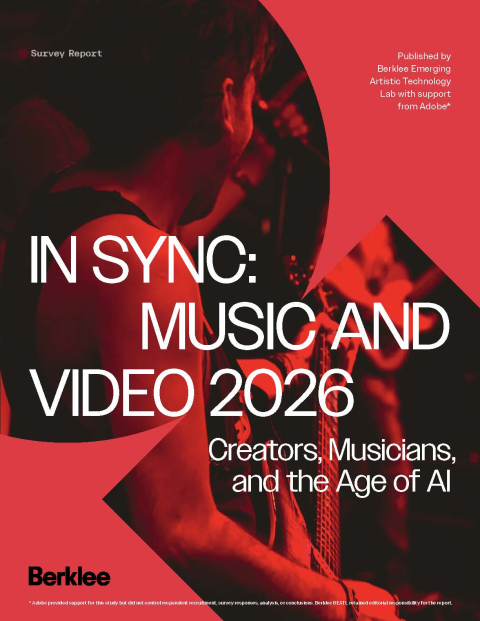
Led a national survey study in partnership with Berklee BEATL & Adobe to study AI use in the music industry.
How We Work
1. Initial consultation and plan
We meet to discuss your specific needs and confirm this is the right approach for the decision you're facing.
2. Project scoping and budget
You receive a custom scope of work with tasks, due dates, and budget before any work begins. Fixed scope, no hourly surprises.
3. Project execution
You receive updates on progress throughout, including recruitment status and fielding milestones.
4. A true partnership approach
We share insights with you as they come up throughout the project, so your team can start acting on what we learn long before the final report is finished.
5. Project completion
We deliver final insights in the format your team will actually use, whether that's a written report, an executive presentation, or a working session.
Frequently Asked Questions
-
It's the evaluation work that happens before a grant application is submitted: designing the evaluation, building the logic model and measurement plan, writing the evaluation narrative, budgeting for it, and providing the evaluator qualifications and letter of commitment the application requires.
-
Four to six weeks gives us room to design something strong and to work with you on how the evaluation fits the program. We've worked on shorter timelines and will tell you honestly what's achievable. Contacting us the week before submission usually means a weaker section than you'd want.
-
Yes. We serve as the named external evaluator on grant applications and provide the letter of commitment, biographical sketch, qualifications, and evaluation narrative your application needs.
-
Pre-award work is scoped and billed separately from the evaluation itself, so you're not committed to a full evaluation contract that depends on an award you haven't received. We'll agree the arrangement before any work starts.
-
It depends on the number of sessions, whether they're moderated, how hard participants are to recruit, incentive levels, and what deliverables you need. We provide a fixed-scope quote after an initial consultation.
-
Evaluation is commonly budgeted at roughly five to ten percent of total project cost. Designs requiring randomization, multiple sites, or data collection over several years cost more than that. We'll scope a specific number with you before you submit, so the budget matches the plan.
-
We work on the research and evaluation components, including literature reviews, needs assessments establishing the problem, and the evaluation sections. We don't write full grant proposals, and we're happy to work alongside your grant writer.
-
Send it over. We'll review it against the solicitation and the funder's evidence requirements and tell you where it's likely to lose points, then either revise it or advise you on what to change.
-
Yes, and often. Organizations applying for federal funding for the first time usually haven't worked with an external evaluator before and don't know what the section is supposed to contain. We'll walk you through what the funder is asking for and why.
-
We launch the evaluation: finalizing the design, developing instruments, securing IRB approval where it's needed, recruiting sites and participants, managing data collection, analyzing results, and delivering the interim and final reports on your funder's schedule.
Our Experience
More than 60 studies designed, including case study, quasi-experimental, RCT, and mixed-method designs
More than 100 focus groups and in-depth interviews conducted
More than $4 million in grant-funded research managed
Clients spanning Fortune 500 companies, startups, nonprofits, universities, and federally funded programs
Our researchers hold doctorates in educational neuroscience, psychology, and related fields
Have a proposal deadline coming up?
Tell us the funder, the program, and the date. We'll tell you what the evaluation section needs and whether we can build it in time.