Assessment and Instrument Development
Assessment development is the process of building a measurement tool from the research up, including defining what it measures, writing and testing the items, and confirming that the results mean what you claim they mean. Praxia Insights builds assessments, surveys, and research instruments from scratch, and also supports organizations bringing an assessment product to market.
Anybody can write twenty questions and call it an assessment. What's hard is being able to answer the two questions a serious buyer will ask, which are what exactly does this measure and how do you know.
A tool built properly starts with the research on the thing you're trying to measure, defines the constructs before anybody writes an item, gets reviewed by people who know the domain, and gets piloted with real respondents so the weak items can be found and fixed.
We build assessments through that whole sequence, and we've taken tools all the way from a literature review to a launched product with an online platform behind it.
Discuss your assessment project
Employee and workplace assessments: measuring traits, skills, work habits, fit, or readiness for a role.
Leadership and executive assessments: tools used in development programs, coaching, and succession planning.
Personality and psychological instruments: built on established constructs from the research literature.
Program and outcome measures: instruments designed to capture whether a program produced the change it intended.
Screening and diagnostic tools: instruments that sort respondents into categories for a defined purpose.
Research surveys and protocols: measurement instruments built for a specific study instead of for commercial use.
What We Build
How an Assessment Gets Built
Literature review
We start with the research on what you're trying to measure, so the constructs come from established work instead of from a brainstorm. This is also where we look at the instruments that already exist, since some of them may already measure part of what you need.
Construct definition
The portion of that market you could realistically serve, once you account for geography, segment, regulation, language, and the parts of the market your product genuinely doesn't fit.
Item writing
Drafting the items and response scales, with attention to wording that respondents will read the same way, and to the items people answer strategically instead of honestly.
Expert review
Subject-matter experts review the items for whether they actually represent the construct, which catches problems that show up much more expensively at the pilot stage.
Pilot testing
Fielding the draft instrument with real respondents, then examining how items behave, which ones fail to differentiate, and where the scale performs poorly. Items get revised or cut based on what the pilot shows.
Validation and reliability
Analysis establishing that the instrument measures consistently and that the results relate to what they should relate to, documented so you can answer questions about it later.
Platform and delivery
Building the online platform that hosts the assessment, including scoring, reporting, and features like matching or dashboards where the product needs them.
Some clients come to us with the instrument already built and a different problem: getting it into the market.
That work looks different from instrument development. It covers who else is selling something similar and how they position it, how large the buyer market actually is, what buyers currently pay for comparable tools, and how to price yours against them.
We've done both halves, and they inform each other. Knowing what buyers expect an assessment to deliver changes what you build into it.
Support for Assessment Products
Market research for a leadership assessment tool
For a client developing a leadership assessment product, we researched the competitive landscape and positioning, sized the market including TAM, SAM, and SOM, and analyzed the pricing approach. Findings were delivered as a funder-facing slide deck.
Project Examples

A NIH-funded study examining neuropsychological predictors of adaptation after trauma.

A five-year randomized control trial (RCT), funded by the U.S. Department of Ed, to study individualized math instruction.
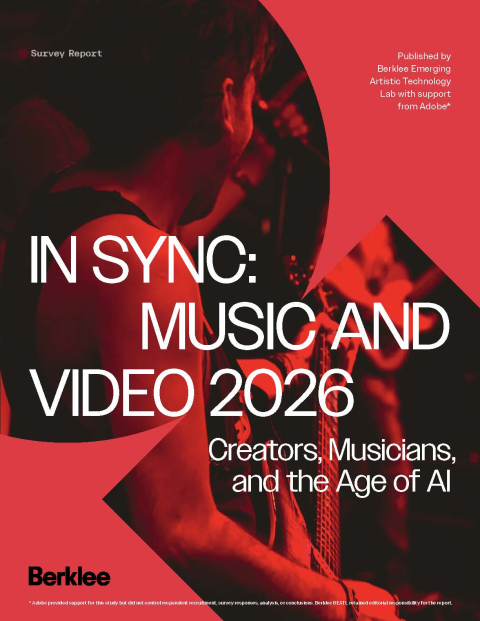
Led a national survey study in partnership with Berklee BEATL & Adobe to study AI use in the music industry.
How We Work
1. Initial consultation and plan
We meet to discuss your specific needs and confirm this is the right approach for the decision you're facing.
2. Project scoping and budget
You receive a custom scope of work with tasks, due dates, and budget before any work begins. Fixed scope, no hourly surprises.
3. Project execution
You receive updates on progress throughout, including recruitment status and fielding milestones.
4. A true partnership approach
We share insights with you as they come up throughout the project, so your team can start acting on what we learn long before the final report is finished.
5. Project completion
We deliver final insights in the format your team will actually use, whether that's a written report, an executive presentation, or a working session.
Frequently Asked Questions
-
It's the process of building a measurement tool systematically: reviewing the research on what you're measuring, defining the constructs, writing and reviewing items, piloting the instrument with real respondents, and analyzing how it performs so weak items can be revised or removed. The goal is a tool where you can explain what it measures and show why you believe it.
-
Three to six months for a full development cycle including literature review, item writing, expert review, piloting, and revision. Building the online platform adds time. Shorter timelines are possible for research instruments that won't be commercially sold and don't need the same validation.
-
It depends on how much research the constructs require, the number of items and scales, how large a pilot you need, whether formal validation is in scope, and whether we're also building the platform. A research instrument for a single study costs the least, and a commercial assessment with a platform behind it costs the most. We provide a fixed-scope quote after an initial consultation.
-
It depends on the analysis. Basic item performance checks work with a couple of hundred respondents. Factor analysis and formal validation want considerably more, often several hundred at minimum, and more if you're validating across subgroups. We'll size the pilot to the claims you intend to make.
-
Validity is about whether the tool measures what you say it measures, and it's established through evidence instead of asserted. That evidence includes whether the items represent the construct, whether the results relate to other measures the way theory predicts, and whether the tool predicts what it should predict. Reliability, meaning consistency, is a separate and necessary property.
-
Yes. We've built online platforms hosting an assessment end to finish, including scoring, results reporting, and additional features such as employer matching and dashboards.
-
Yes. Competitive analysis, market sizing, and pricing research for assessment products are a regular part of our work, alongside the development itself.
-
Yes, and it's common. Market sizing is often run with competitive analysis and customer research so you get the size of the opportunity, who else is going after it, and what customers actually want, from one project.
-
You do. Ownership of the instrument, the items, and the data is agreed in writing before work starts, and the tool is yours.
-
Yes. Instrument development is a standard part of the evaluation work we do on funded projects, including surveys, observation protocols, and outcome measures built for a specific population and study design.
Our Experience
More than 60 studies designed, including case study, quasi-experimental, RCT, and mixed-method designs
More than 100 focus groups and in-depth interviews conducted
More than $4 million in grant-funded research managed
Clients spanning Fortune 500 companies, startups, nonprofits, universities, and federally funded programs
Our researchers hold doctorates in educational neuroscience, psychology, and related fields
Building something you need to be able to defend?
Tell us what you're trying to measure and who will use the results. We'll advise on the development path and what it would take.