Stakeholder Interview Research
Stakeholder interviews are structured conversations with the people who have an interest in a project, a program, or a decision, conducted to understand what they need, what they're worried about, and where they disagree. Praxia Insights runs stakeholder interview studies for organizations planning programs, entering new markets, developing products, or preparing for strategic change.
Plenty of good work gets built and then goes nowhere, and it's usually because somebody with influence never got asked what they thought, so they didn't support it once it showed up.
Stakeholder interviews are how you find that out early enough to do something about it. When you talk to staff, partners, funders, board members, and the people a decision actually affects, you learn what each group needs from it, where their views conflict, and what has to get resolved before anything can move forward.
Bringing in somebody from outside changes what people are willing to say, too. Staff and partners are usually a lot more candid with an outside researcher than they'd be in a meeting with their own leadership sitting right there.
Discuss your stakeholder research
When to Run Stakeholder Interviews
Before designing a program: you need to know what the people it serves and the people who'll deliver it actually need from it.
Before a strategic plan: leadership is about to set direction and needs to know where staff, board, and partners already agree and disagree.
Before a research project: you need to know who has to be involved and what questions each group needs answered, so the findings get used.
During organizational change: a merger, a leadership transition, or a restructure, where understanding concerns early prevents problems later.
For a grant application: funders want evidence that you consulted the community and the partners the program depends on.
When something isn't working: adoption stalled or a partnership is strained, and you need candid accounts from everybody involved.
Who We Interview
Stakeholder groups differ by project, and we'll help you map who needs to be included. Recent studies have covered:
Internal staff and leadership, at every level of an organization
Board members and governance bodies
Funders and philanthropic partners
Program participants and the communities a program serves
Partner organizations and delivery partners
Teachers, school and district leaders, and education staff
Clinicians, healthcare professionals, and HR and benefits leaders
Product users and technology buyers
What's Included
Stakeholder mapping
Before any interviewing starts, we'll work out who needs to be included and why. Organizations regularly leave out a group whose support turns out to matter, and mapping it first is how you avoid discovering that months later.
Conducting the interviews
Trained researchers run the interviews, either remotely or in person, and we'll tell participants at the start exactly how their responses are going to be reported.
Interview guide design
We'll write a separate guide for each stakeholder group, because the questions worth asking a funder aren't the questions worth asking the staff who deliver the program every day.
Analysis
We'll code the transcripts for themes, both across groups and inside each one, and we keep the points of disagreement visible instead of averaging them into a consensus that nobody actually holds.
Scheduling and outreach
We'll handle the outreach, the scheduling, and the reminders, including with senior people whose calendars make all of that genuinely hard.
Reporting
We'll organize the findings by theme and by group, so you can see where your stakeholders agree, where they don't, and what still needs resolving. You can have it as a written report, a presentation, or a working session we facilitate.
Project Examples
A NIH-funded study examining neuropsychological predictors of adaptation after trauma.

A five-year randomized control trial (RCT), funded by the U.S. Department of Ed, to study individualized math instruction.
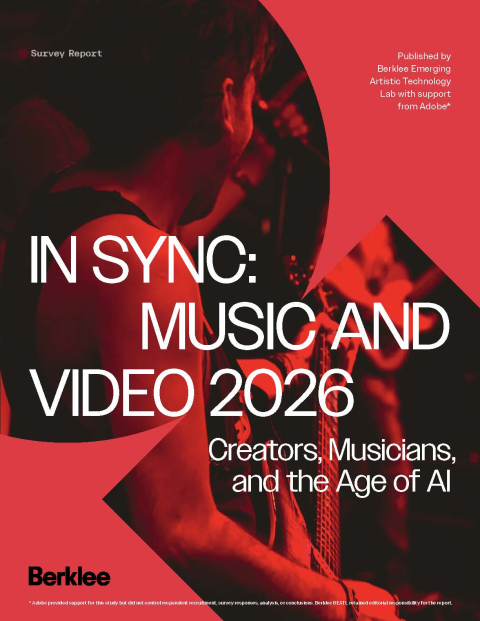
Led a national survey study in partnership with Berklee BEATL & Adobe to study AI use in the music industry.
How We Work
1. Initial consultation and plan
We meet to discuss your specific needs and confirm this is the right approach for the decision you're facing.
2. Project scoping and budget
You receive a custom scope of work with tasks, due dates, and budget before any work begins. Fixed scope, no hourly surprises.
3. Project execution
You receive updates on progress throughout, including recruitment status and fielding milestones.
4. A true partnership approach
We share insights with you as they come up throughout the project, so your team can start acting on what we learn long before the final report is finished.
5. Project completion
We deliver final insights in the format your team will actually use, whether that's a written report, an executive presentation, or a working session.
Frequently Asked Questions
-
It's a structured conversation with somebody who has an interest in a project, program, or decision, conducted to understand what they need from it, what concerns them, and what they'd want changed. Stakeholder interviews are usually run across several groups so an organization can see where views align and where they conflict.
-
It depends on how many groups you're covering. Five to eight per group is common, and you generally stop within a group when new interviews stop producing new themes. A project spanning staff, board, funders, and community members might run twenty-five to forty interviews in total.
-
Candor. People say things to an external researcher that they won't say to their own leadership, particularly about concerns, disagreements, and problems they've noticed but haven't raised. Independence also means the findings carry more weight with a board or a funder.
-
Four to eight weeks for most studies. The variable is scheduling, since senior stakeholders and community members both take time to reach, for different reasons.
-
It depends on the number of interviews, how many stakeholder groups are covered, whether we handle outreach and scheduling, and the depth of analysis and deliverables. We provide a fixed-scope quote after an initial consultation.
-
Participants are told at the start how their responses will be used and reported. Findings are reported by theme with quotes attributed by role or group instead of by name. In small organizations where a role identifies a person, we agree the reporting approach with you in advance.
-
They usually do, and that's among the most useful things the research produces. We report the disagreement plainly, including how it splits across groups, because a plan built on a consensus that doesn't exist runs into the problem later anyway.
-
Yes. Community and participant interviews need care with recruitment, scheduling, incentives, and accessibility, and we handle all of it. Funders increasingly expect evidence that the people a program serves were consulted about its design.
-
Yes, and it often does. Stakeholder interviews are frequently the qualitative foundation for a needs assessment, a theory of change, or an evaluation plan, because they establish what the problem looks like to the people closest to it.
-
Yes, when that's useful. Some organizations want the findings presented back to the stakeholder groups so people can respond to what was heard, which builds support for whatever comes next. We can design and facilitate that session.
Our Experience
More than 60 studies designed, including case study, quasi-experimental, RCT, and mixed-method designs
More than 100 focus groups and in-depth interviews conducted
More than $4 million in grant-funded research managed
Clients spanning Fortune 500 companies, startups, nonprofits, universities, and federally funded programs
Our researchers hold doctorates in educational neuroscience, psychology, and related fields
Need to know what your stakeholders actually think?
Tell us about the project and who has a stake in it. We'll advise on who to interview and what it would take.