
Philanthropic and Foundation-Funded Research
Foundation-funded research and evaluation follows different expectations than federal work, with more flexibility in design and more emphasis on learning. Praxia Insights runs evaluation and research for foundation grantees and for funders themselves, including landscape work, portfolio evaluation, and grantee reporting.
Foundation evaluation gets treated as a lighter version of federal evaluation, and that's a mistake in both directions. Foundations rarely impose the evidence standards a federal program does, so there's more room to design something that fits the work. They also care more about learning than about proving, which changes what a useful report looks like.
That flexibility cuts both ways. Without a prescribed standard, plenty of foundation evaluation ends up vague, and grantees produce reports full of activity counts that nobody can draw a conclusion from.
Our team has led education program evaluation, data collection, and progress reporting under a Schusterman Family Foundation grant, and has supported funding applications and reporting to the Gates Foundation.
Discuss your foundation-funded work

Who We Work With
Grantees
Organizations receiving foundation funding who need evaluation, reporting, and evidence that their program is doing what they said it would. This is most of the work, and it usually starts because a report is due.
Funders and foundations
Foundations who need landscape analysis before shaping a portfolio, evaluation across a set of grantees, or independent assessment of whether an initiative is working.
Applicants
Organizations preparing a foundation proposal who need a needs assessment, a theory of change, or an evaluation plan strong enough to compete.
What We Do
Evaluation design and execution: matched to what the foundation is asking for and to what your program can support.
Theory of change and logic models: the documentation foundations increasingly ask for, built so it stays useful once the program runs.
Grantee reporting: interim and final reports in the funder's format, on their schedule.
Portfolio and cross-grantee evaluation: for funders wanting to understand results across a set of investments together.
Landscape analysis: mapping a field before a funder commits to a strategy or opens a portfolio.
Learning agendas: helping a foundation or grantee decide what they're trying to find out over the next few years.
How Foundation Work Differs
Federal evaluation is largely about compliance and evidence standards. You meet the requirement, in the required format, on the required date.
Foundation work is more often about learning. Program officers want to know what's working, what isn't, and what they should understand differently, and a report that only reports successes is less useful to them than one that says plainly where a program struggled.
That changes the design. Formative work carries more weight, implementation questions matter as much as outcomes, and there's usually more room to adjust the evaluation as the program changes. We'll design for what your funder is actually asking, instead of defaulting to a federal template.
Project Examples

A NIH-funded study examining neuropsychological predictors of adaptation after trauma.

A five-year randomized control trial (RCT), funded by the U.S. Department of Ed, to study individualized math instruction.
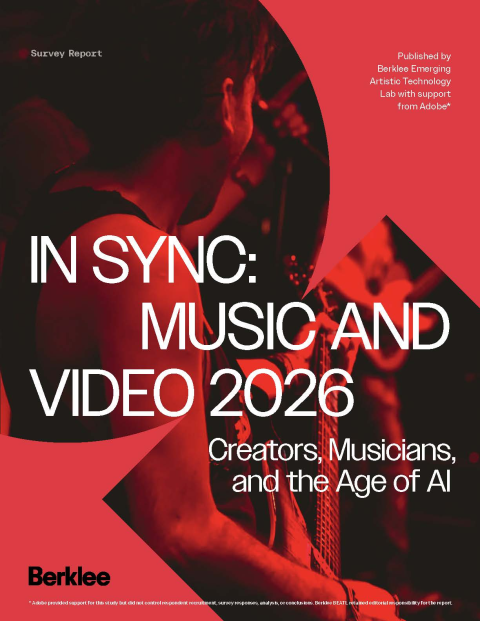
Led a national survey study in partnership with Berklee BEATL & Adobe to study AI use in the music industry.
How We Work
1. Initial consultation and plan
We meet to discuss your specific needs and confirm this is the right approach for the decision you're facing.
2. Project scoping and budget
You receive a custom scope of work with tasks, due dates, and budget before any work begins. Fixed scope, no hourly surprises.
3. Project execution
You receive updates on progress throughout, including recruitment status and fielding milestones.
4. A true partnership approach
We share insights with you as they come up throughout the project, so your team can start acting on what we learn long before the final report is finished.
5. Project completion
We deliver final insights in the format your team will actually use, whether that's a written report, an executive presentation, or a working session.
Frequently Asked Questions
-
Federal programs usually specify an evidence standard and a reporting format, and compliance matters. Foundations rarely do, and they tend to care more about learning what's working than about proving impact to a fixed standard. That gives you more design freedom, and it also means you have to decide what good evidence looks like instead of being told.
-
Ask them, and we can help you frame the conversation. Program officers usually have a clear idea of what they want to learn, and it's often narrower than the grantee assumes. A short conversation before the evaluation is designed saves a lot of work aimed at the wrong question.
-
Evaluation is commonly budgeted at roughly five to ten percent of total program cost, and foundation work often lands at the lower end because the designs are usually lighter. We'll help you scope a number before you submit so the evaluation you promised is funded.
-
Yes. We write interim and final reports in the funder's format and on their schedule, and we'll analyze whatever program data you already collect. If the data doesn't support what you hoped to claim, we'll tell you before it goes to the funder.
-
It's enough to describe what you did and not enough to say what changed, and most foundations can tell the difference. We can analyze what you have, survey participants to fill the gap, and set up outcome measurement you can repeat. Saying you're building better measurement is more credible than overstating thin data.
-
Yes. Portfolio and cross-grantee evaluation is a distinct piece of work, and the hard part is usually that grantees measure different things in different ways. We'll design a common framework that respects what each one is doing while still letting a funder see across them.
-
Yes. Foundations bring us in for landscape analysis before shaping a strategy, for evaluation across a portfolio, and for independent assessment of an initiative. When we work for a funder, we'll be clear with grantees about who we're working for.
-
Yes. A learning agenda sets out what an organization or a funder is trying to find out over the next few years, and which questions matter most. It's useful precisely because it forces the choice, since nobody can study everything.
-
We report what we found. Program officers are generally more receptive to honest mixed findings than grantees expect, and a report that comes back uniformly positive tends to cost you trust instead of building it. Findings that show what to change are the ones that get renewed.
-
Yes. We write needs assessments, theories of change, and evaluation plans for foundation applications, and we can be named as the evaluator with a letter of commitment before you submit.
Our Experience
More than 60 studies designed, including case study, quasi-experimental, RCT, and mixed-method designs
More than 100 focus groups and in-depth interviews conducted
More than $4 million in grant-funded research managed
Clients spanning Fortune 500 companies, startups, nonprofits, universities, and federally funded programs
Our researchers hold doctorates in educational neuroscience, psychology, and related fields
Working with a foundation?
Tell us who the funder is, what they've asked for, and your timeline, and we'll advise on what would serve you both.