
Social Listening and Social Media Analysis
Social listening means systematically analyzing what people are already saying about your brand, your category, and your competitors online. Praxia Insights runs social media analysis across platforms, review sites, forums, and communities, and turns it into themes you can act on.
People are already telling you what they think. They're doing it in reviews, in Reddit threads, in comments under competitors' posts, and in the questions they ask in industry groups, and almost none of it is addressed to you.
That's what makes it useful. Nobody wrote it for a researcher, nobody was being polite to a moderator, and nobody was thinking about how their answer would look. It's the most honest data available about your category, and it's free.
The problem is the volume. There's far too much of it to read, and skimming produces whatever confirms what you already believed. We'll analyze it systematically instead, so the themes that come out reflect what's actually there.
Discuss your social listening project
What Social Listening Tells You
How people describe the problem: the words your customers use when they're talking to each other instead of to you.
What they complain about: in your product, in competitors' products, and in the category generally.
What they wish existed: the workarounds people describe and the features they ask each other about.
How your brand comes up: what gets said when your name appears, and in what context.
What competitors are getting right and wrong: their reviews are as informative as yours.
Where the conversation happens: which platforms and communities your buyers actually use, and it's often not where your marketing is.
Where We Look
Review platforms
G2, Capterra, Trustpilot, the App Store, Google reviews, and industry-specific review sites. Reviews are structured and comparable, and they're full of the language people use when they're frustrated or delighted.
Your own channels
Comments, direct messages, and replies on your accounts, which plenty of organizations collect and never analyze.
Forums and communities
Reddit, Discord servers, Slack communities, Facebook groups, and industry forums. These are where people ask each other for recommendations, and you're almost never part of that conversation.
Support and sales records
Support tickets and sales notes are the same kind of data, and they're already yours. We'll bring them in where you have them.
Social platforms
LinkedIn, X, Instagram, TikTok, and YouTube comments, depending on where your audience actually is. Comments under a competitor's post are frequently more useful than anything on their own channel.
News and industry coverage
How your category and your competitors are being written about, and by whom.
How We Analyze It
We use AI to accelerate the work, because pattern extraction across hundreds or thousands of posts is exactly what it's good at. Every piece of that is then reviewed by a researcher and complemented by human desk research, because AI will confidently report a theme that isn't there and miss one that is.
What you get back is themes ranked by how often they came up, with the actual quotes attached, plus a clear account of what changed over the period and what the gaps are between your category's complaints and anybody's marketing.
We'll also tell you honestly when the volume isn't there. Some categories have very little public conversation, and in that case a survey or interviews would serve you better.
Project Examples

A NIH-funded study examining neuropsychological predictors of adaptation after trauma.

A five-year randomized control trial (RCT), funded by the U.S. Department of Ed, to study individualized math instruction.
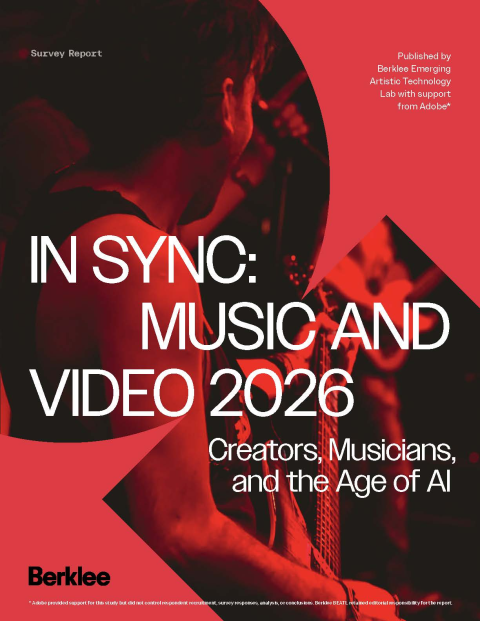
Led a national survey study in partnership with Berklee BEATL & Adobe to study AI use in the music industry.
How We Work
1. Initial consultation and plan
We'll meet to talk through what you need and confirm that this is the right approach for the decision you're facing.
2. Project scoping and budget
You'll get a custom scope of work with tasks, due dates, and budget before any work starts, so the price is fixed and there aren't hourly surprises later.
3. Project execution
You'll get updates on progress throughout, including where recruitment stands and when each milestone is hit.
4. A true partnership approach
We share insights with you as they come up throughout the project, so your team can start acting on what we learn long before the final report is finished.
5. Project completion
We'll deliver the final insights in whatever format your team will actually use, whether that's a written report, an executive presentation, or a working session.
Frequently Asked Questions
-
It's the systematic analysis of what people say publicly about your brand, your competitors, and your category, across social platforms, review sites, forums, and communities. It's different from social media monitoring, which watches for mentions in real time. Listening is about finding the patterns in what's already been said.
-
Volume and method. Reading reviews gets you impressions, and whichever ones you remember tend to be the extreme ones. Systematic analysis codes everything, counts how often each theme appears, and tells you what's common instead of what's memorable.
-
It depends on your category. Consumer categories usually have plenty of public conversation, and narrow B2B categories sometimes have very little. We'll do a quick check before scoping, and if there isn't enough out there we'll tell you and suggest something else.
-
Three to five weeks for most projects, including collection, analysis, and reporting. Ongoing listening arrangements work differently, with a shorter report on a regular cadence.
-
It depends on how many sources and platforms are in scope, the volume of material, the time period covered, and whether you want a one-time analysis or ongoing reporting. We'll give you a fixed-scope quote after an initial consultation.
-
Yes, to accelerate the pattern extraction. Every piece of the work is then manually reviewed by a researcher and complemented by human desk research, because AI tools will confidently describe a theme that isn't in the data. Nothing goes in a report without a human having checked it against the source.
-
Yes, and it's often the most useful part. Complaints about a competitor tell you what buyers in your category actually care about, and a complaint that appears across every competitor's reviews and in nobody's marketing is worth knowing about.
-
Yes. Ongoing listening with regular reporting shows you what's changing, and once you have a baseline that's far more useful than a single snapshot. Some clients want monthly and others want quarterly.
-
Yes, and the answer surprises people fairly often. Organizations invest in platforms because that's where they've always posted, and the conversation about their category has moved somewhere else.
-
No, and it shouldn't. Social listening tells you what people volunteered, and it's skewed toward the people who feel strongly enough to post. It works best alongside interviews or surveys, where you control who you're hearing from and can ask what you actually need to know.
Our Experience
More than 60 studies designed, including case study, quasi-experimental, RCT, and mixed-method designs
More than 100 focus groups and in-depth interviews conducted
More than $4 million in grant-funded research managed
Clients spanning Fortune 500 companies, startups, nonprofits, universities, and federally funded programs
Our researchers hold doctorates in educational neuroscience, psychology, and related fields
Want to know what people are already saying?
Tell us your category and what you're trying to learn, and we'll check whether there's enough conversation out there to be worth analyzing.