
Landscape Analysis
A landscape analysis maps a whole field, including who's working in it, what they're doing, where the money comes from, what policy shapes it, and where the gaps are. Praxia Insights runs landscape analyses for funders, nonprofits, companies entering a new sector, and organizations planning strategy.
A landscape analysis answers a different question than competitive analysis does. If you want to know who you're up against and how to beat them, that's competitive analysis. A landscape analysis is broader, and it asks what the whole field looks like and where you'd fit into it.
That's the question funders ask before they open a portfolio, and it's the question an organization asks before entering a sector it doesn't know yet. It's also what a board asks when somebody proposes a new direction and nobody in the room can describe who else is already doing it.
We'll map the field properly, so you're deciding from a picture of what actually exists instead of from the handful of organizations somebody happened to have heard of.
Discuss your landscape analysis
When You Need One
You're a funder shaping a portfolio: you need to know who's working in the space, what's already funded, and where your money would add something.
You're entering a new sector: the players, the norms, and the buying behavior are all unfamiliar and you need them mapped before committing.
You're planning strategy: leadership is choosing a direction and needs to know what already exists in it.
You're writing a proposal: funders want evidence you understand the field and that you're not duplicating work down the road.
You're looking for partners: you want to know who else is doing adjacent work and who'd be worth talking to.
Your field is changing: new policy, new funding, or new technology has shifted things and your picture is out of date.
What a Landscape Analysis Covers
Who's in the field
The organizations, companies, programs, and initiatives operating in the space, including the ones that don't show up on the obvious lists because they're small, new, or local.
Policy and regulation
What rules shape the field, and what's currently being changed or debated. Policy shifts create and close opportunities faster than anything else in some sectors.
What they actually do
What each one delivers, who they serve, at what scale, and how they differ from each other. Organizations describe themselves in similar language and do quite different things.
Trends and direction
Where the field is heading, what's growing, what's consolidating, and what the people working in it think is coming.
Where the money comes from
Funding sources, major funders, grant programs, and revenue models. For nonprofit and philanthropic work this section is often the most useful part.
Gaps and opportunities
What isn't being served, who's underserved, and where a new entrant or a new investment would add something instead of duplicating work that's already happening.
How We Build It
Most of a landscape analysis comes from desk research, and there's usually more available than people expect. Organizational filings, funder databases, grant records, published reports, policy documents, and the organizations' own materials all contribute.
Where desk research runs out, we talk to people. Interviews with practitioners, funders, and people working in the field fill in the parts that aren't written down anywhere, including what's actually happening as opposed to what got published two years ago.
You'll get a written analysis with the field mapped, the sources documented, and a clear statement of where the gaps are.
Project Examples

A NIH-funded study examining neuropsychological predictors of adaptation after trauma.

A five-year randomized control trial (RCT), funded by the U.S. Department of Ed, to study individualized math instruction.
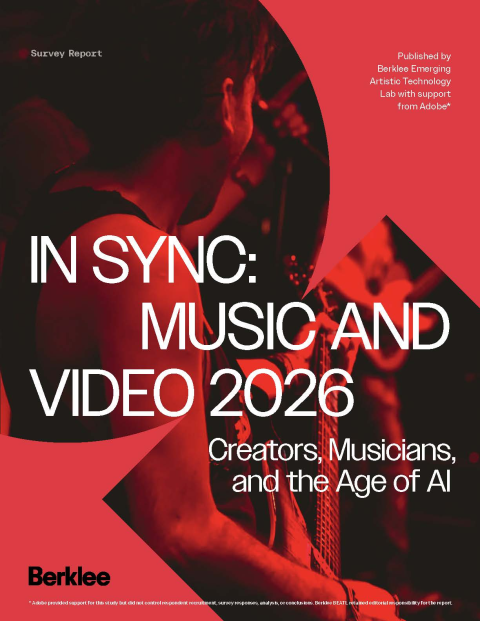
Led a national survey study in partnership with Berklee BEATL & Adobe to study AI use in the music industry.
How We Work
1. Initial consultation and plan
We'll meet to talk through what you need and confirm that this is the right approach for the decision you're facing.
2. Project scoping and budget
You'll get a custom scope of work with tasks, due dates, and budget before any work starts, so the price is fixed and there aren't hourly surprises later.
3. Project execution
You'll get updates on progress throughout, including where recruitment stands and when each milestone is hit.
4. A true partnership approach
We share insights with you as they come up throughout the project, so your team can start acting on what we learn long before the final report is finished.
5. Project completion
We'll deliver the final insights in whatever format your team will actually use, whether that's a written report, an executive presentation, or a working session.
Frequently Asked Questions
-
It's research that maps a whole field or sector, covering who's operating in it, what they do, how it's funded, what policy shapes it, and where the gaps are. Funders use them to shape portfolios, and organizations use them before entering an unfamiliar space or setting a new strategic direction.
-
A competitive analysis is about you and your competitors, and it's aimed at helping you win. A landscape analysis is about the field as a whole, including organizations you'd never compete with, and it's aimed at understanding what exists. If your question is how to beat somebody, you want competitive analysis.
-
Four to eight weeks for most analyses. If it's mostly desk research it moves faster, and if it includes interviews with people in the field, plan for the longer end because scheduling takes time.
-
It depends on how broad the field is, how much is publicly documented, and whether you want interviews alongside the desk research. A focused analysis of a well-documented sector costs the least, and a broad analysis requiring primary research costs the most. We'll give you a fixed-scope quote after an initial consultation.
-
Yes, and that's often when it's most valuable. Emerging or fragmented fields have no directory and no published overview, so the analysis has to be built from filings, grant records, news, and conversations with people who work in it, and that takes longer but the result is worth a great deal more.
-
Where it's useful, yes. Practitioners and funders know things that never get written down, including which organizations are actually delivering and which ones look better on paper than in practice.
-
Yes. Funders want to see that you understand the field and that your work adds something instead of duplicating what's already funded. A landscape analysis provides that evidence, and it usually strengthens the needs assessment too.
-
As current as the available sources allow, and we'll tell you where the data lags. Some fields have good real-time information and others rely on filings that are eighteen months behind, so you should know which one you're looking at.
-
Yes. International landscape work needs attention to how data availability differs by country and to how a field is defined differently between markets. We'll flag where the picture is thinner.
-
Every two to three years for most fields, or sooner after a major policy change or a shift in funding. A landscape analysis built before a significant change in the rules stops being useful quickly.
Our Experience
More than 60 studies designed, including case study, quasi-experimental, RCT, and mixed-method designs
More than 100 focus groups and in-depth interviews conducted
More than $4 million in grant-funded research managed
Clients spanning Fortune 500 companies, startups, nonprofits, universities, and federally funded programs
Our researchers hold doctorates in educational neuroscience, psychology, and related fields
Need the field mapped before you decide?
Tell us what sector you're looking at and what decision it feeds, and we'll advise on scope and what it would take.