
Grant Proposal Research Support
Grant proposal research support means the evidence work behind an application, including the literature review, the needs assessment, the data establishing the problem, and the research design sections reviewers score. Praxia Insights writes those sections so your proposal can show the problem is real and your approach is grounded in evidence.
Reviewers read a lot of applications, and the ones that lose points usually lose them in the same places. The problem statement asserts that a need exists without showing it, the literature section lists studies without making an argument, and the research design sounds like somebody wrote it who won't have to carry it out.
Those sections are all evidence work, and they're the parts most organizations have the least capacity for, because writing a defensible literature review or needs assessment takes a researcher and most program teams don't have one.
That's the part we do. Your grant writer keeps the narrative and the budget, and we'll handle the evidence underneath it.
Discuss your upcoming application
What We Write
Literature reviews
The section that shows you know the field, establishes what the research already supports, and makes the case that your approach addresses a gap somebody hasn't already filled. We document search strategies so the review can be defended if anybody asks how it was done.
Evidence base and prior research
The case that your intervention is likely to work, drawn from what's been studied before, and matched to whatever evidence tier your funder requires.
Needs assessments
The evidence that the problem is real in your community, using existing data, primary research, or both. Funders increasingly want to see that you documented the need with real evidence, and that you actually consulted the people it affects.
Research design sections
The methods, sampling, and analysis plan for proposals that include a research component, written so a methodologist on the review panel finds it credible.
Problem statements
The section establishing what the problem is, who it affects, how severe it is, and what it costs, written with a source behind every claim you make.
Data and statistics
The population figures, service gaps, and comparison data that make a proposal concrete, pulled from sources a reviewer can check.
What We Don't Do
We don't write full grant proposals, and we're not grant writers. Your narrative, your organizational capacity section, your budget, and your submission are all yours or your grant writer's.
What we do is the research underneath, and we work alongside grant writers regularly. If you don't have one, we're happy to tell you what we'd look for in one.
Project Examples

A NIH-funded study examining neuropsychological predictors of adaptation after trauma.

A five-year randomized control trial (RCT), funded by the U.S. Department of Ed, to study individualized math instruction.
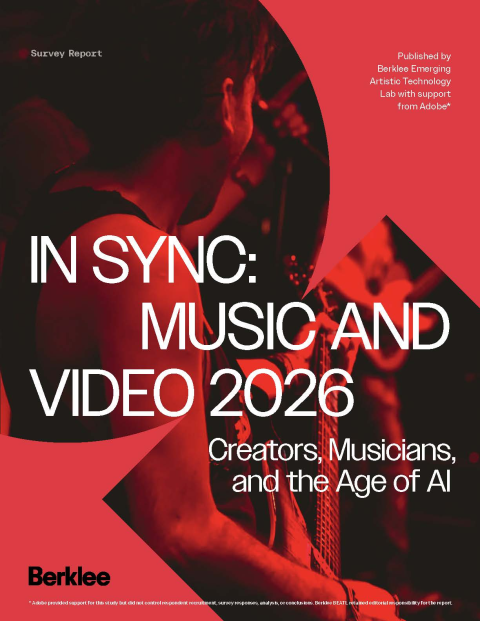
Led a national survey study in partnership with Berklee BEATL & Adobe to study AI use in the music industry.
How We Work
1. Initial consultation and plan
We'll meet to talk through what you need and confirm that this is the right approach for the decision you're facing.
2. Project scoping and budget
You'll get a custom scope of work with tasks, due dates, and budget before any work starts, so the price is fixed and there aren't hourly surprises later.
3. Project execution
You'll get updates on progress throughout, including where recruitment stands and when each milestone is hit.
4. A true partnership approach
We share insights with you as they come up throughout the project, so your team can start acting on what we learn long before the final report is finished.
5. Project completion
We'll deliver the final insights in whatever format your team will actually use, whether that's a written report, an executive presentation, or a working session.
Frequently Asked Questions
-
It's the evidence work behind an application: the literature review, the needs assessment, the problem statement, and any research design sections. These are the parts a reviewer scores on whether the problem is real and the approach is grounded, and they're usually the parts a program team can't produce internally.
-
Four to six weeks gives us room to do the work properly and give you time to review it. We've worked on shorter timelines, and we'll tell you honestly what's achievable if your deadline is closer than that. What we won't do is take on something we can't do well in the time available.
-
No. We write the research and evidence sections, and we work alongside your grant writer or program team, who handle the narrative, the organizational sections, and the budget.
-
It depends which sections you need, how broad the literature is, and whether the needs assessment requires new primary research or can be built from existing data. A focused literature review costs the least, and a needs assessment with original data collection costs the most. We'll give you a fixed-scope quote after an initial consultation.
-
Yes. Plenty of needs assessments get built from publicly available data, including census figures, state and district data, and health and service statistics. If those don't cover your question, we can run surveys or interviews to fill the gap, though that takes longer, so it's worth starting early.
-
The work is scoped and billed for what it is, so you're not committed to anything that depends on the award. If you resubmit, the literature review and needs assessment are usually still usable with an update, so the second application takes far less work.
-
Yes. Evidence requirements differ by program, and the tier you're applying under determines what your design has to look like and what you can claim. Tell us the solicitation and we'll walk you through what it's asking for.
-
We can. Plenty of clients bring us in for the research sections and then name us as external evaluator in the same application, so the evaluation plan gets written by the people who'll actually have to carry it out.
-
Yes. Send us the draft and the solicitation, and we'll tell you where the evidence sections are likely to lose points and what would strengthen them. That's often faster and cheaper than having us write from scratch.
-
Yes, and often. If you haven't applied for this kind of funding before, we'll explain what each section is asking for and why, so you're not guessing at what reviewers want to see.
Our Experience
More than 60 studies designed, including case study, quasi-experimental, RCT, and mixed-method designs
More than 100 focus groups and in-depth interviews conducted
More than $4 million in grant-funded research managed
Clients spanning Fortune 500 companies, startups, nonprofits, universities, and federally funded programs
Our researchers hold doctorates in educational neuroscience, psychology, and related fields
Have an application coming up?
Tell us the funder, the program, and the deadline, and we'll tell you which sections we can strengthen and what it would take.